


 By Simran - July 24, 2026
_24-00-2026_01-00.jpg)
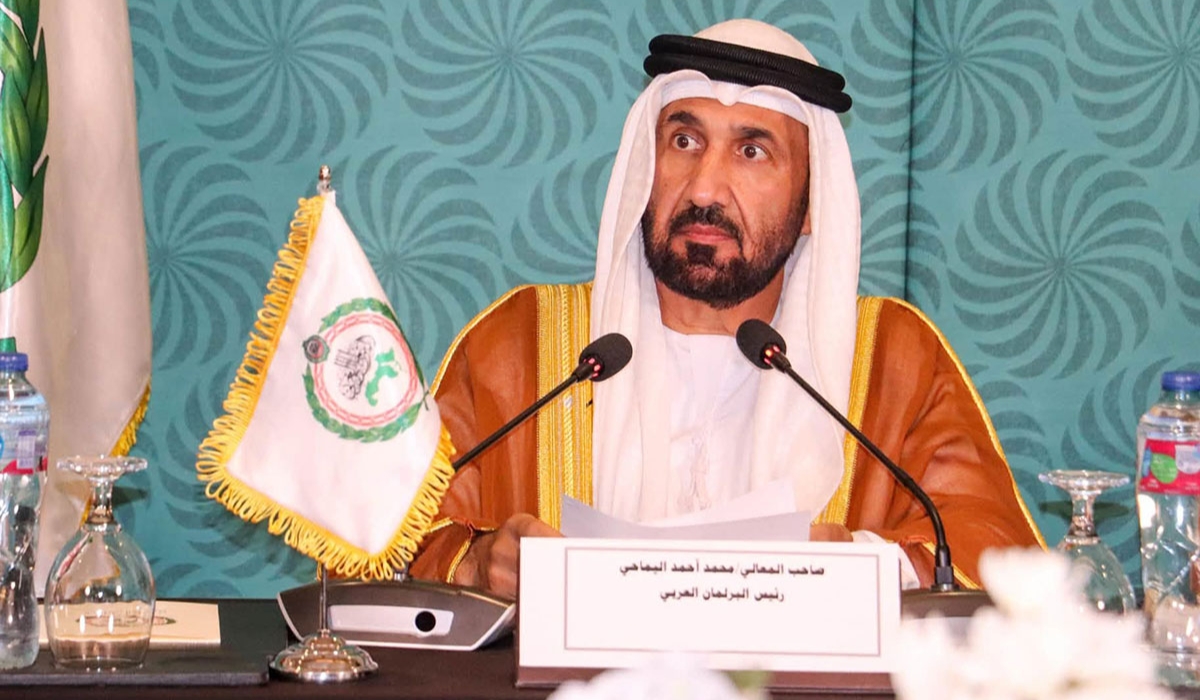
CAIRO — Mohammed bin Ahmed Al Yamahi, Speaker of the Arab Parliament, has condemned the Houthi attack on a Saudi vessel in the Red Sea, stressing that the attack threatens international maritime navigation, vital waterways, and global energy supplies.
In a statement issued on Friday, July 24, Al Yamahi reaffirmed the Arab Parliament's rejection of any threat against the Kingdom of Saudi Arabia, renewed its full solidarity with the Kingdom, and called on the international community to take firm measures to safeguard maritime security and enhance security and stability in the region.
The Attack on the Encelia
The condemnation follows an attack on the Saudi-flagged oil tanker Encelia, which was struck in the Red Sea on Thursday morning in an assault claimed by Yemen's Iran-backed Houthis. Saudi authorities said the vessel caught fire after being hit, but confirmed that all crew members were safely evacuated and that measures were taken to secure the ship.
The Houthis also claimed to have targeted a second Saudi tanker, though that attack has not been independently confirmed. The strikes marked a sharp escalation in tensions along one of the world's busiest shipping routes, coming after the group announced it was imposing a naval blockade on the Kingdom, a move that has drawn widespread regional and international condemnation.
A Wave of Regional Condemnation
The United Arab Emirates condemned the attack in the strongest terms, with its Ministry of Foreign Affairs affirming that it constitutes a grave threat to the safety and security of international navigation and represents a dangerous escalation aimed at undermining the security and stability of the world's critical waterways. The Ministry called on the international community to ensure the implementation of the relevant UN Security Council resolutions, particularly Resolution 2216 on Yemen and Resolution 2722 on the rights and freedom of navigation in the Red Sea, and reaffirmed that freedom of navigation in international waterways is a right guaranteed under international law and the 1982 United Nations Convention on the Law of the Sea.
The League of Arab States likewise reaffirmed its categorical rejection of the attack, alongside Iranian attacks targeting the Gulf states and Jordan, stressing that such actions constitute a violation of international law and a threat to maritime security and regional stability. In a statement, the Arab League's official spokesperson welcomed the position expressed by the Gulf Cooperation Council, emphasising the importance of Arab solidarity in confronting threats targeting the security of Arab states and the safety of maritime shipping lanes, and stressed the need for the immediate cessation of all actions threatening international navigation in the Red Sea and the Strait.
Pakistan's Prime Minister Shehbaz Sharif also reiterated his country's condemnation of the attack and of the threat to navigation in the Red Sea during a telephone call with Saudi Crown Prince Mohammed bin Salman, reaffirming Pakistan's steadfast support for the Kingdom's security, sovereignty, and territorial integrity, according to the Saudi Press Agency. The two leaders reviewed the latest regional developments and discussed ongoing efforts to de-escalate tensions and promote stability across the region.
This is a developing story and will be updated as further details become available.

_24-00-2026_01-00.jpg)
.jpg)
.jpg)

_20-08-2026_05-08.jpg)
_27-51-2026_11-51.png)
_27-43-2026_12-43.png)



.jpg)
.jpg)




.jpg)


.jpg)
.png)
.jpg)













Leave a comment